This year’s RSPB Big Garden Birdwatch once again reminded me just how lively and varied a small patch of garden can be, even in the depths of winter. Armed with a notebook, a warm drink, and plenty of patience, I spent an hour quietly observing who came and went around the feeders, shrubs, and lawn – and it turned out to be a surprisingly busy count.
The most noticeable visitors were the parakeets, with ten recorded – the first time I’ve ever reported them in my Big Birdwatch. Their bright green plumage and raucous calls are impossible to miss. While striking, they are becoming something of a nuisance, dominating feeders and intimidating smaller birds, which made for an interesting (and slightly worrying) addition to this year’s results.
Woodpeckers were another highlight. I spotted two great spotted woodpeckers and a single green woodpecker, whose distinctive call announced its presence long before it was seen. These sightings always feel special and suggest that the garden is providing a healthy feeding environment.
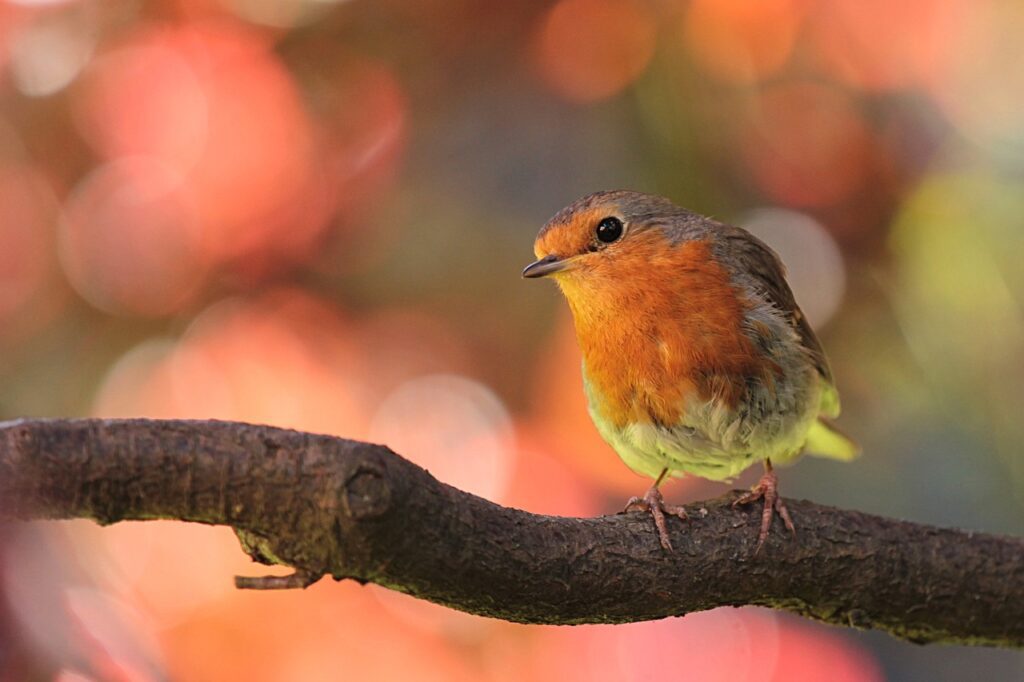
Among the regulars were nine great tits, seven blue tits, and five long-tailed tits, flitting constantly between feeders and hedges. Finches were also well represented, with nine goldfinches and five chaffinches, their colours bright against the winter backdrop. Two robins and two dunnocks kept low to the ground, while a tiny wren darted briefly into view before disappearing again.
On the larger side, I recorded three magpies, two jackdaws, three wood pigeons, and two collared doves. A group of eight pheasants made themselves very at home beneath the feeders, enthusiastically clearing up any leftovers that fell to the ground. Two blackbirds completed the count, foraging quietly nearby.
Interestingly, several familiar faces didn’t make an appearance during the hour itself. Jays, coal tits, house sparrows, nuthatches, and starlings are all regular garden visitors but were absent during the official count window – a reminder that the Big Garden Birdwatch is just a snapshot in time rather than a full picture of a garden’s birdlife.
Compared with last year’s survey, this year felt louder and more crowded, particularly due to the arrival of the parakeets. Smaller songbirds appeared in similar numbers, suggesting stability in those populations, but the balance at the feeders has definitely shifted. These year-to-year comparisons are exactly why the Big Garden Birdwatch is so valuable: taken together, thousands of small observations help build a much bigger picture.
As winter continues, food remains scarce for birds, and garden feeding can make a real difference. A mix of seeds, suet, fat balls, and ground food helps support a wide range of species, while fresh water is just as important. Even small gardens or balconies can become vital lifelines.
Until next year’s count, I’ll keep watching, feeding, and enjoying the daily drama of garden birds – because every beak, wing, and feather really does count.