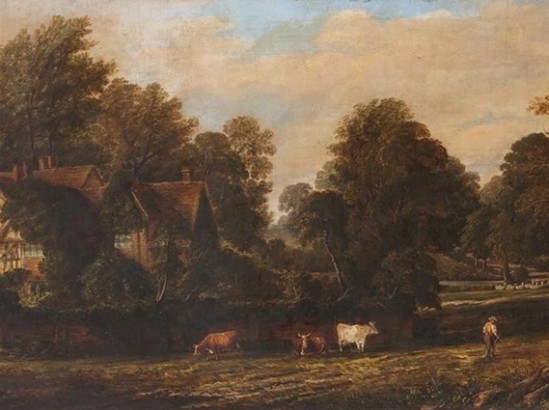
We recently came across a fascinating newspaper clipping referencing Cheshire Village Memories, a book compiled from diaries, logbooks, and personal accounts dating back to the Victorian era. Within it are charming – and revealing – entries describing reasons for school absences in the late 1800s.
These records offer a vivid snapshot of everyday rural life, where nature, agriculture, and community events often took precedence over the classroom.
One entry from July 5th, 1872 notes:
“Several children absent keeping birds from the corn.”
Crop protection was clearly a family responsibility, and children played their part in safeguarding precious harvests from hungry flocks.
Another entry from November 3rd, 1876 observes:
“School thin this week, potato getting, acorn picking, turnip and mangold cutting being the cause.”
Autumn was a season of intense labour. From lifting potatoes to gathering acorns and harvesting root vegetables, children were essential helpers during peak agricultural periods.
A delightful note from March 23rd, 1877 reads:
“Several boys absented themselves in the afternoon to follow the foxhounds.”
Even then, the pull of the countryside – and perhaps a little adventure – proved irresistible.
Perhaps most striking is an entry from February 21st, 1884:
“Scarcely any children appeared this morning on account of Steeple Races near. The school therefore was not opened.”
Community life trumped formal education on race day!